

Canada, Mexico, China, Europe, the United States. The profitability of companies and entire sectors operating in these markets can be altered—positively or negatively—by changes in U.S. trade and tariff policy stemming from Donald Trump’s return to the Presidency. What lesson does the so-called “tariff crisis” leave for companies and organizations? Essentially this: protecting and promoting business interests requires working with stakeholder maps that transcend a company’s local and national environment.
This context underscores the importance of companies, sectors, and countries defending their interests before those with real capacity to act on them at the commercial and regulatory level in a global—not merely local—scenario. Hence the growing relevance of public affairs, institutional relations, and transnational lobbying.
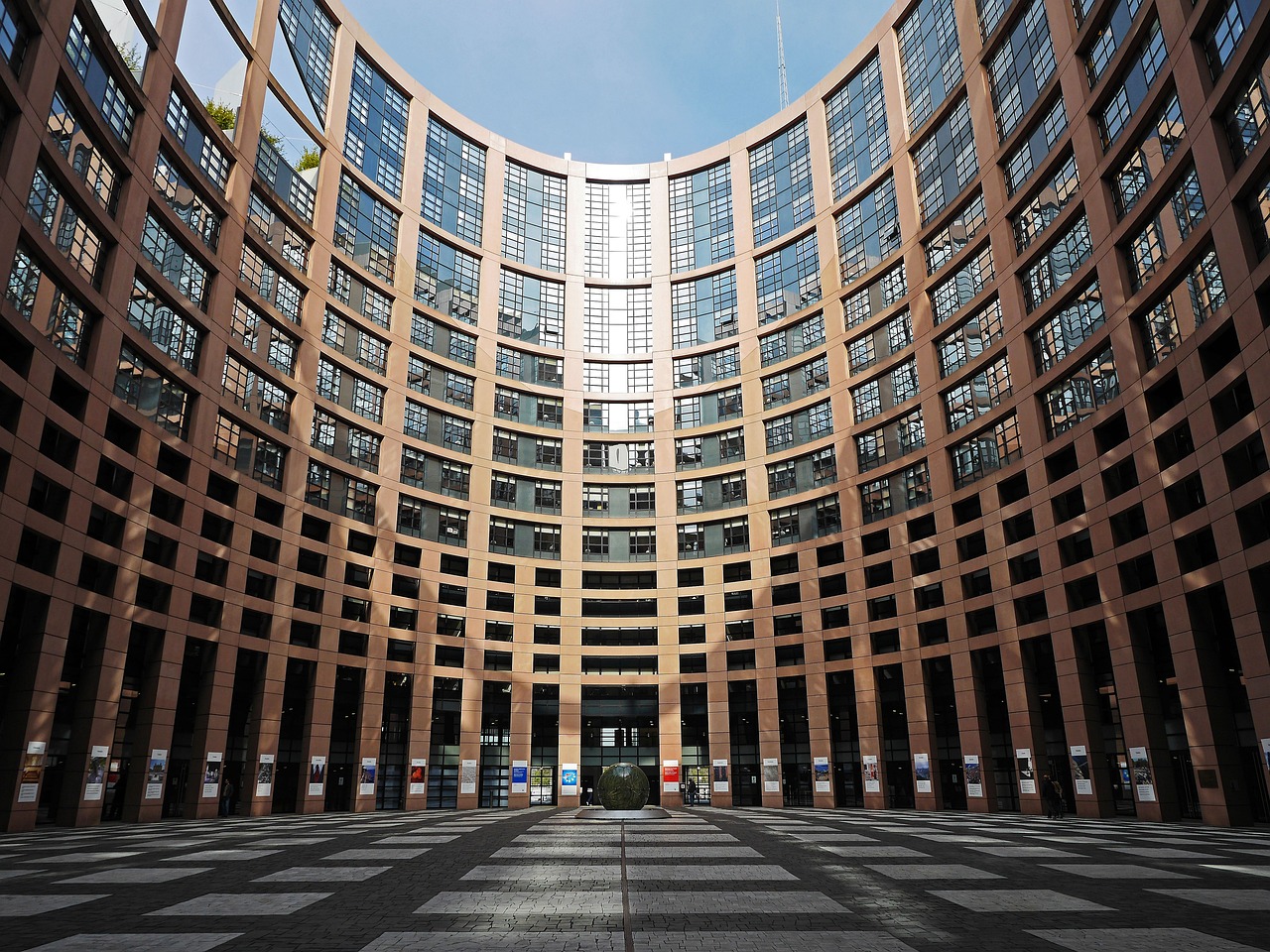
At this point, the role of the European Union and its institutions must be highlighted. Brussels, alongside Washington, is the global capital of lobbying. Its activity is not only regulated but also a core part of the EU’s machinery, as it is there that standards are often set for the rest of the world—including North America.
This raises a direct question for companies and organizations: why should they engage in lobbying at the EU level and maintain active relations with European institutions? Quite simply, because they must.
They must do so to safeguard their interests in an interconnected context where the EU’s regulatory influence is global and crosses all borders—capable of impacting, positively or negatively, the bottom lines of companies of every kind.
The EU’s importance in regulation and in defending sectors and companies is substantial. Beyond noting that much of the legislation applied across European countries originates in Brussels, one need only point to the EU’s recent announcement of “trade defense instruments” in response to potential U.S. tariffs.
Lobbying, as a discipline, is grounded in the defense and contextualization of corporate interests, including in the European framework. Its relevance lies, first and foremost, in the way EU institutions are structured:The Commission helps shape the EU’s overall strategy, proposes new laws and policies, oversees their implementation, and manages the EU budget. In the Parliament, legislative proposals and own-initiative reports are drafted, amendments are written, and laws are passed. Parliament also reviews proposals from the Commission and the Council, which deals with complex or sensitive issues that cannot be resolved at lower levels of intergovernmental cooperation. In this ecosystem, the contributions of corporate Public Affairs, Institutional Relations, and even Communications departments are essential to contextualize complex realities—critical when it comes to shaping new legislation.
What can companies and organizations do? The following activities are central to the regular practice of lobbying:
—Design strategic stakeholder maps according to their capacity to influence the company’s direct and indirect interests.
—Develop targeted briefing materials for legislators working on related issues. Position papers, in particular, set out a sector’s stance, backed by strong arguments and quantifiable, objective data.
—Produce competitive intelligence reports to detect potential threats that could affect the company directly or indirectly, enabling preventive or containment strategies.
—Foster two-way, fluid relationships with stakeholders capable of directly or indirectly influencing the company’s interests.
—Strengthen corporate relationships with media outlets that transcend national boundaries and exert influence at the European and global levels.